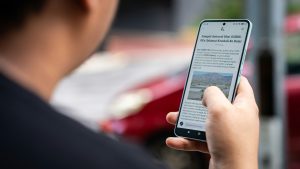
Living With Global Uncertainty
Many people are feeling unsettled right now. With wars in different parts of the world, political instability, and a constant stream of distressing news, it’s understandable to feel anxious about what all this means for our lives. Even if the events are happening far away, they can stir something close to home: fear, helplessness, grief, anger, or a sense that the world is shifting in ways we can’t quite grasp.
From an existential perspective, these reactions aren’t signs of weakness. They’re signs that we are awake to the world.
Why global events affect us so deeply
Existential therapy recognises that human beings are always in relationship — with others, with society, with the wider world. When the world feels unsafe, our bodies and minds respond. We’re wired to scan for threat, to imagine possibilities, to try to make sense of uncertainty. And when the world feels unpredictable, it touches some of the core existential themes we all live with:
- Uncertainty: We don’t know what will happen next, and that can feel frightening.
- Powerlessness: We can’t control global events, and that can leave us feeling small.
- Meaning: We may wonder what these events say about humanity, or about our own lives.
- Connection: We might feel more protective of the people we love, or more aware of our vulnerability.
These themes aren’t new — they’re part of being human. But global crises bring them into sharper focus.
How world events can stir old, familiar feelings
Our reactions to global events aren’t always just about what’s happening ‘out there.’ For many people, crises in the world brush up against much older layers of experience — the emotional templates formed in childhood, long before we had language for fear or uncertainty.
You might notice:
- A familiar sense of helplessness
- A fear that things can ‘suddenly go wrong’
- A need to stay alert, ‘just in case’
- A worry that people you love could disappear
- A sense of responsibility to hold everything together
These responses often have roots in the emotional atmosphere we grew up in. Perhaps you lived with unpredictability, or felt you had to be the responsible one, or learned early on that safety was fragile. Perhaps big feelings weren’t talked about, or you had to manage more than a child reasonably could.
When today’s news feels overwhelming, it can activate those old patterns. The body remembers what it learned long before the mind could make sense of it.
This doesn’t mean you’re ‘overreacting.’ It means your nervous system is responding in the way it was shaped to respond.
Meeting these old patterns with compassion
From an existential perspective, these moments are invitations — not to relive the past, but to understand how it still lives in us.
You might gently ask yourself:
- What does this feeling remind me of?
- When have I felt this way before?
- What did I need back then that I didn’t get?
- What helps me feel supported now, as an adult with more choices?
These questions aren’t about blaming the past. They’re about recognising the threads that connect then and now, so you can respond with more awareness and less fear.
What we can do when the world feels overwhelming
While we can’t resolve global conflicts ourselves, we can respond to our own experience with care and intention. Here are some ways to stay grounded:
- Acknowledge what you’re feeling
Trying to push away anxiety often makes it louder. Naming your feelings — fear, sadness, anger, confusion — can soften their grip. You don’t have to justify them. You don’t have to compare them to anyone else’s suffering. Your feelings are valid because they’re yours.
- Notice what’s within your control
Existential work doesn’t pretend we can control everything. Instead, it invites us to focus on the small but meaningful choices available to us:
• How we treat the people around us
• How we care for our bodies
• How we set boundaries with news and social media
• How we contribute, however modestly, to the kind of world we want to live in
These choices don’t fix the world, but they shape our corner of it.
- Limit the ‘constant feed’
Being informed matters. Being overwhelmed doesn’t.
You might experiment with:
• Checking the news at set times
• Choosing one or two trusted sources
• Taking breaks from scrolling when your body feels tense or flooded
This isn’t avoidance — it’s stewardship of your nervous system.
- Seek connection, not isolation
Anxiety often tells us to retreat. But talking with others — friends, family, community — can remind us that we’re not carrying this alone. Shared humanity is one of the strongest antidotes to existential fear.
- Reconnect with what matters to you
In times of uncertainty, values become anchors.
You might reflect on:
• What helps you feel grounded
• What gives your life meaning
• What kind of person you want to be in difficult times
These questions don’t need perfect answers. They simply help orient you.
- Allow moments of beauty and rest
It can feel almost wrong to enjoy life when others are suffering. But rest and beauty don’t diminish compassion — they sustain it. A walk, a warm drink, a moment of laughter, a favourite song: these are not trivial. They’re reminders that life is still happening here, too.
And remember that you’re not alone in feeling this way
If global events are stirring anxiety, fear, or old familiar patterns, you’re not ‘too sensitive’ or ‘overreacting.’ You’re responding as a human being in a complex, unpredictable world. Therapy can offer a space to explore these feelings, make sense of them and find steadier ground.
We can’t remove uncertainty from life. But we can learn to live alongside it with more clarity, compassion and choice.
Next steps
If you would like support in navigating the uncertainties of life — whether they are tumultuous events on the world stage, or equally difficult times closer to home — I’d be happy to hear from you. Please contact me to arrange a free, no obligation conversation.
Photo credit: Amanz on Unsplash.